


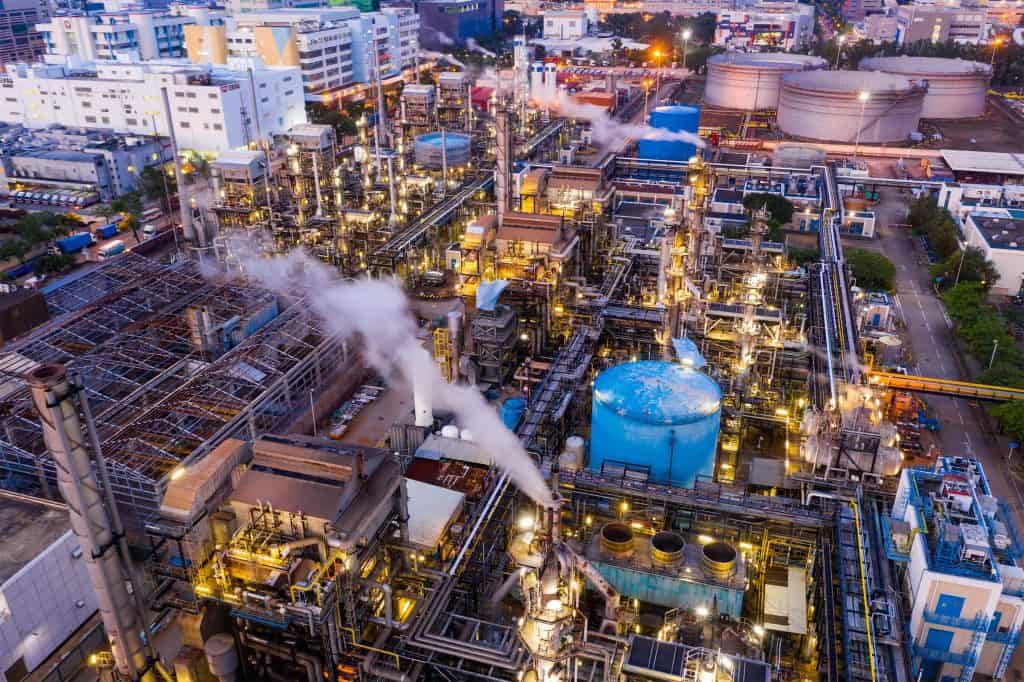
For most people, not a day goes by when they are not exposed to noise in some form or another. It is not only annoying, but also has a negative impact on general well-being and health. In addition to road and rail noise, machinery, large plants and industrial vehicles in particular cause an enormous amount of background noise. This primarily affects mixed-use areas, but industrial noise is also increasingly an issue in residential areas.
The aim is therefore to reduce this noise pollution to a minimum in the long term. We have therefore compiled the most important information on noise protection in industry for you. RAU® effectively shields you against noise with noise barriers for industry and commerce.
Industrial and commercial noise: what is it? What is the difference?
First of all, it is important to clarify the difference between industrial noise and commercial noise. “Industrial” and “commercial” are distinguished by the businesses located there. In an industrial area, you will find companies that cause a high level of environmental pollution, such as noise and pollutants. They must therefore not be located in residential areas. Due to the structural conditions in warehouses, for example, sound is reflected more strongly, which in turn increases the volume. Industrial noise therefore refers to the high noise level generated in this area by production and the necessary machinery and vehicles.
Commercial areas, and therefore also commercial noise, are classified as less polluting and therefore increasingly occur in mixed areas. Here too, the production of goods as well as delivery and customer traffic are considered to be the main sources of noise. As an adjacent place of immission, sound insulation against commercial noise is particularly essential for neighborhoods. Noise barriers are the ideal solution here to improve both acoustics and quality of life.
What regulations are there for noise protection in industry? Who is affected?
When it comes to noise and noise protection in industry and commerce, you should observe the Federal Immission Control Act (BImSchG). This specifies immission guide values that are intended to prevent or ideally prevent significant nuisance. The resulting assessment level determines which plants and businesses require a permit due to high noise production. This law also specifies who to contact in the event of noise pollution from industry and commerce. In addition to the tradespeople themselves, both the trade supervisory office and the local environmental office are responsible for noise sources of this kind.
The following immission guide values in decibels (dB) must be complied with:
Industrial area: 70 dB(A) during the day and at night
Commercial area: 65 dB(A) during the day, 50 dB(A) at night
Mixed area: 60 dB(A) during the day, 45 dB(A) at night
Residential area: 50 dB(A) during the day, 35 dB(A) at night
Why is protection from industrial noise so important?
Industrial and commercial noise is an environmental impact that can make people ill in the long term. Noise protection in and around industrial and commercial areas is therefore important for various reasons. While noise barriers effectively protect places adjacent to industry from noise pollution, a quiet soundscape is particularly beneficial to workers within these areas. Reduced noise has been proven to improve the working environment, which has a long-term positive effect on employees’ health and performance. Reduced noise pollution also increases alertness and therefore also occupational safety. This effectively counteracts sickness-related absences and reduces the resulting costs. Noise barriers for industry, such as the products from RAU®, therefore guarantee you a win-win situation.
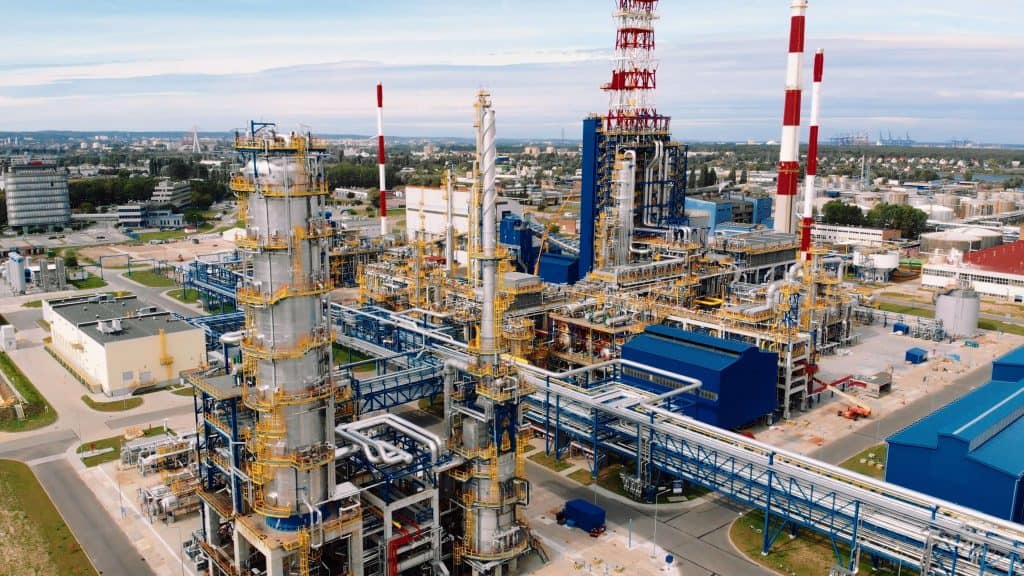
Where exactly is sound insulation against commercial noise needed?
Noise protection against industrial and commercial noise can be ensured actively and passively. Passive noise protection refers to the noise remediation of existing buildings and structures, while active noise protection refers to measures that are taken directly at the source of the noise. The perfect example of this is noise barriers. These have been proven to reduce the level of disturbing noise in industrial areas, as they prevent the propagation of sound waves through absorption.
In mixed areas, noise barriers and noise remediation are used to protect residents. Noise protection in industrial areas is achieved by enclosing systems such as loud generators or air conditioning systems and thus serves to protect people on site, i.e. employees, suppliers and all customers.
Noise barriers for industry and commerce: RAU® is the right address for you
Noise barriers from RAU® are the perfect solution for reducing noise pollution in industrial estates and surrounding areas to a minimum. In our range you will find green noise barriers for a wide variety of requirements. Regardless of whether you want to contain commercial noise in a mixed-use area or effectively shield an adjacent residential area: Noise protection from RAU® means the highest quality, “made in Germany”.
Our products are made exclusively from sustainable materials and therefore conserve resources without exception. As one of the leading sound insulation wall manufacturers in Germany, we will inspire you with our extensive expertise.