


Many people are exposed to it every day: noise. Especially in today’s world, which is characterized by increasing mobility and continuous expansion, noise protection is becoming ever more important. The aim is to protect the population from aircraft noise, industrial noise or road and rail noise in the best possible way. A distinction is made between active and passive noise protection measures.
Find out exactly what this distinction between active and passive noise protection measures is all about. We also explain which method is used when. As an expert in noise barriers, RAU® is the perfect contact for all your questions and concerns on the subject.
What are the differences between active and passive noise protection?
Both passive and active noise protection include effective noise protection measures to protect residents or those affected from noise. The main difference here is where they are used. Active noise protection, for example in the form of noise barriers, is about prevention. Noise should be contained as well as possible at the source so that there is no pollution at all in areas outside the place of emission. Passive noise protection, including soundproof windows and doors, on the other hand, is noise remediation. If it is not possible to guarantee active measures due to certain economic or topographical conditions, passive protection is used.
When are passive noise protection measures used?
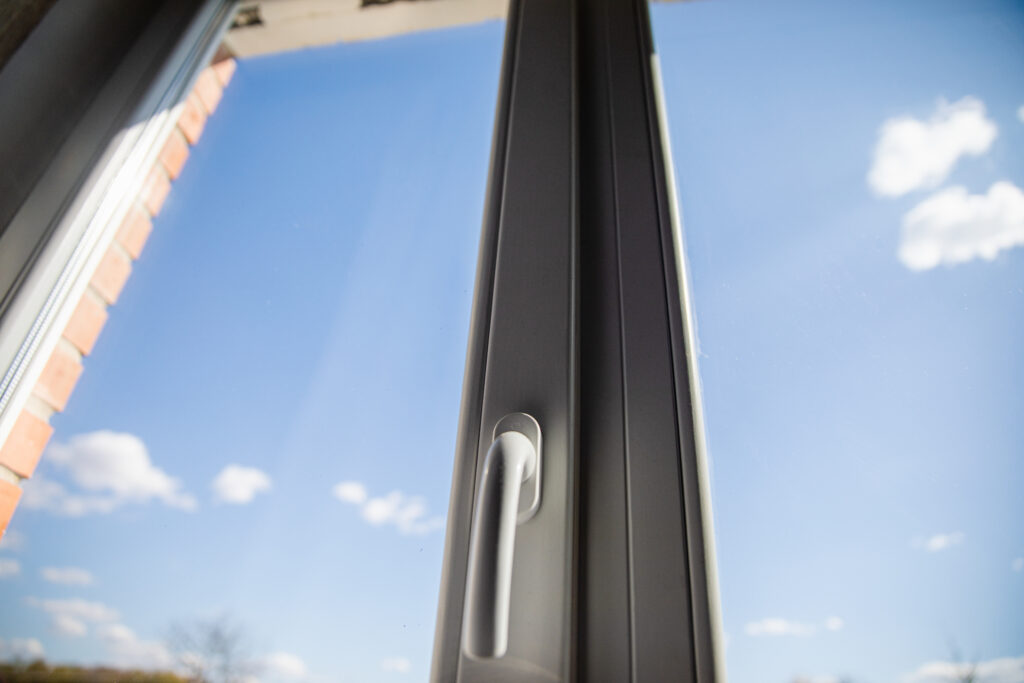
Passive noise protection measures are used when so-called noise remediation has to be carried out. This refers to structural measures on existing buildings that are intended to reduce noise pollution at immission points. For example, in order to comply with the decibel limits in a residential area where a new road is being built, all adjacent houses are fitted with soundproof windows. The installation of ventilation systems or the improvement of walls and roofs also fall under passive noise protection.
Where is active sound insulation used?
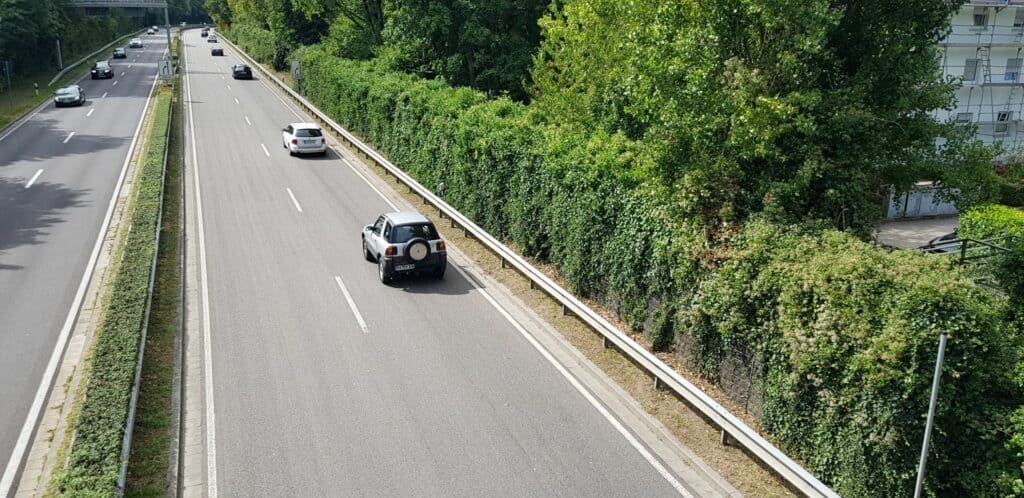
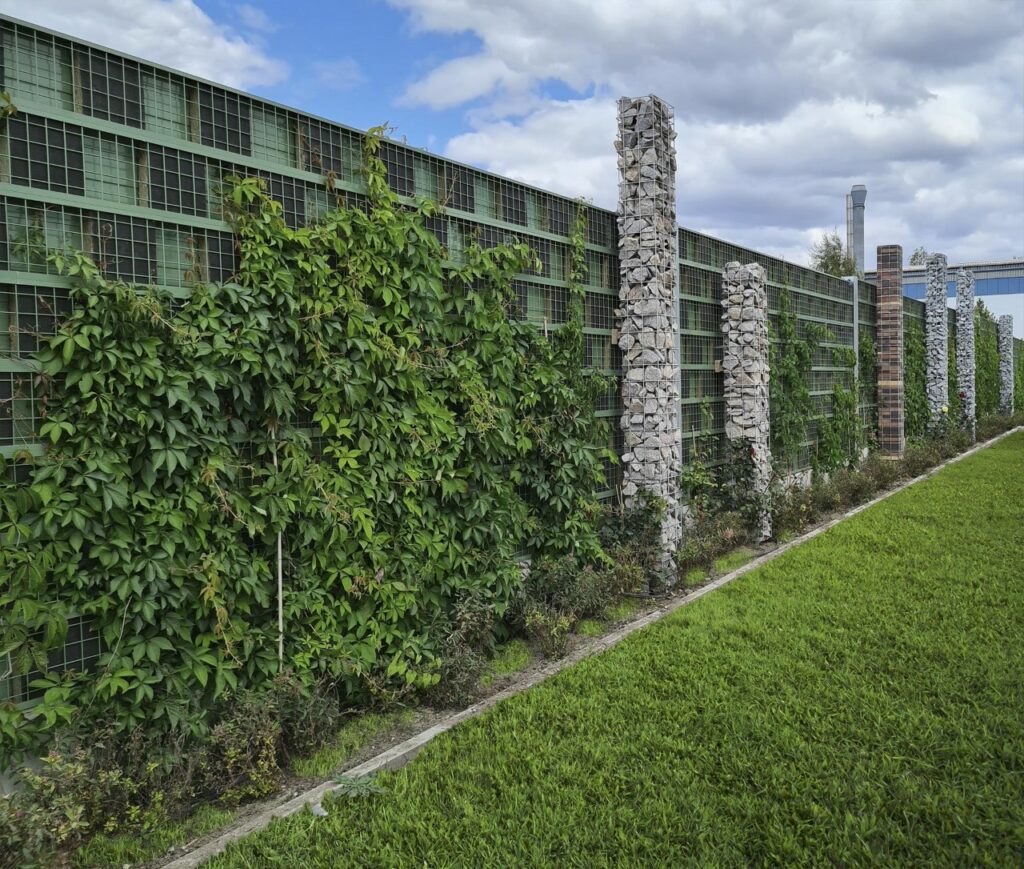
As already mentioned, active noise protection is used directly at the source of the noise and is therefore a form of noise prevention. There are different examples of active noise protection depending on the area of application. Such measures against aircraft noise or traffic noise include technological innovations on the individual machines. Increasing the distance between airports, train stations, highways and more from residential or quiet areas also falls under active noise protection. However, the most important and easiest to understand method for those affected is noise barriers. Adjacent areas are effectively protected from noise pollution thanks to sound insulation and absorption. Noise barriers such as the greenable products from RAU® are therefore used in many places.
Active and passive noise protection: these regulations and requirements exist
In principle, individual, private persons affected by noise have no direct claim to the installation of passive or active noise protection. However, there are certain limit values, for example for residential areas, which are regulated by laws and ordinances. Please refer to the following list of immission limit values:
Health resorts or hospitals
45 dB(A) during the day, 35 dB(A) at night
Residential area
50 dB(A) during the day, 35 dB(A) at night
Mixed area
60 dB(A) during the day, 45 dB(A) at night
Industrial estate
65 dB(A) during the day, 50 dB(A) at night
Industrial area
70 dB(A) during the day and at night
If a building is located in a defined noise zone in which these values are not met, owners are entitled to reimbursement for the cost of new active or passive noise protection. Municipalities, cities and federal states also use these limit values to decide on noise protection measures. The night-time trigger value is decisive here.
Should active noise protection have priority?
We at RAU® believe that active noise protection and the associated measures should take priority in the future. In contrast to noise remediation through passive noise protection, the problem is tackled directly at source with active shielding, for example through noise barriers. Passive and active noise protection are therefore similar to earplugs and loud noise pollution. The earplugs reduce the symptom, but have no effect on the actual source of the noise. Of course, any kind of protection is better than simply being at the mercy of the noise.
Active noise protection from RAU® effectively protects you from noise pollution
Noise barriers from RAU® are a prime example of active noise protection. In our range you will find high-quality products that are exclusively sustainable, ecological and easy to maintain. As one of the leading manufacturers of noise barriers, we stand for quality made in Germany. Opt for long-term and effective noise protection with RAU®, because our expertise will inspire you.