


We all know it, many of us suffer from it every day: Noise. But what exactly is noise? When does a sound cease to be just a sound and become noise? Why is noise considered harmful to health and well-being and how do we protect ourselves against it? In the following article, we have compiled the most important information on the subject of noise for you. As specialists in noise protection, we at RAU® know the problems and requirements – you can rely on our expertise.
What actually is noise?
Individual people could not be more different, and so the perception of noise is also very subjective. In general, noise is defined as any loud sound that disturbs us. Even if our perceptions can vary greatly, we are all familiar with the feeling of suffering from noise pollution. However, not all noise is the same. In order to determine when high decibels (dB) can and are perceived as harmful to health, the measurement technology must be taken into account.
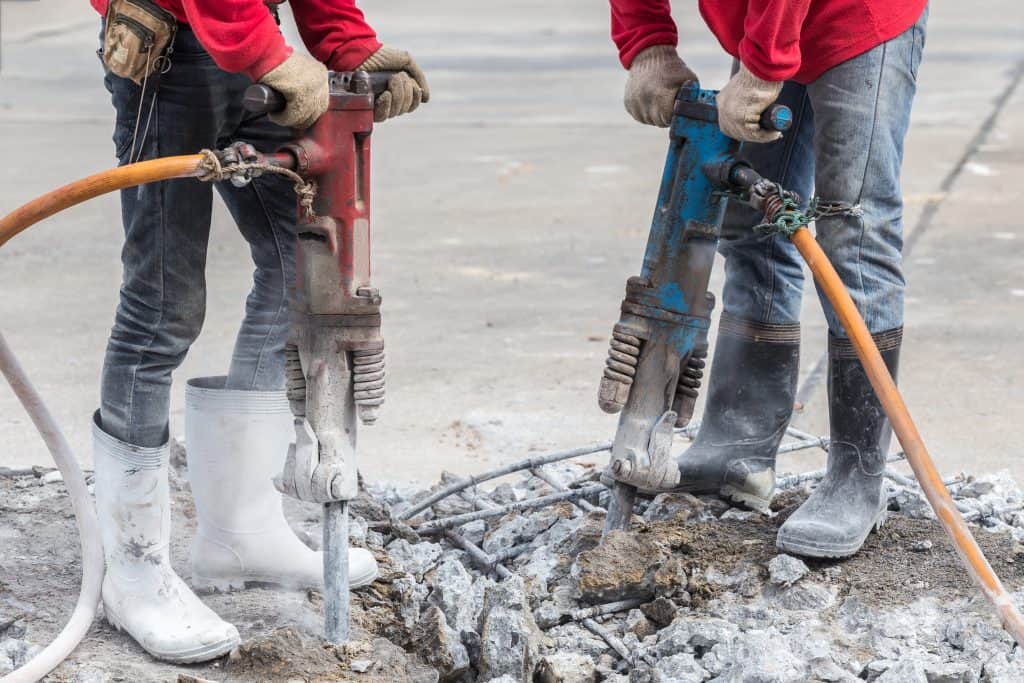
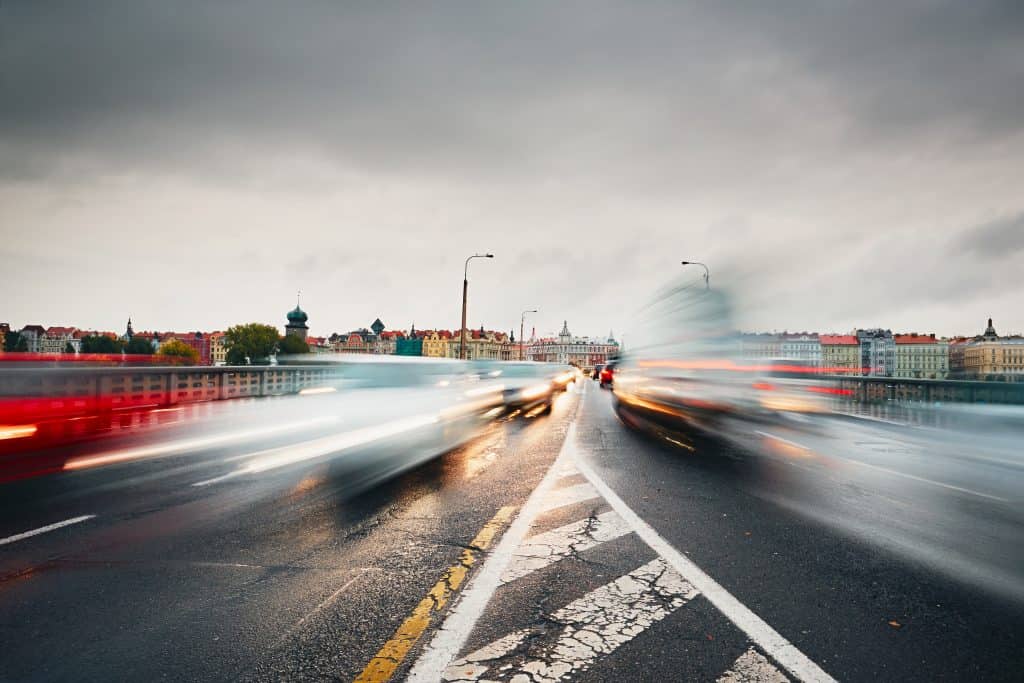
There are very different sources of noise everywhere in our environment. The biggest of these are air and road traffic. Cars, airplanes, trucks and motorcycles cause a particularly high level of noise, which is constantly increasing due to the enormous number of vehicles. Many people are also exposed to noise as a stress factor in the workplace, for example in industry or construction, but also at airports or train stations. In the private sphere, there are also sounds that are perceived as noise. For example, loud conversations during rest periods, loud music or television sets from neighbors that are played above room volume can be perceived as disturbing.
How is noise measured?
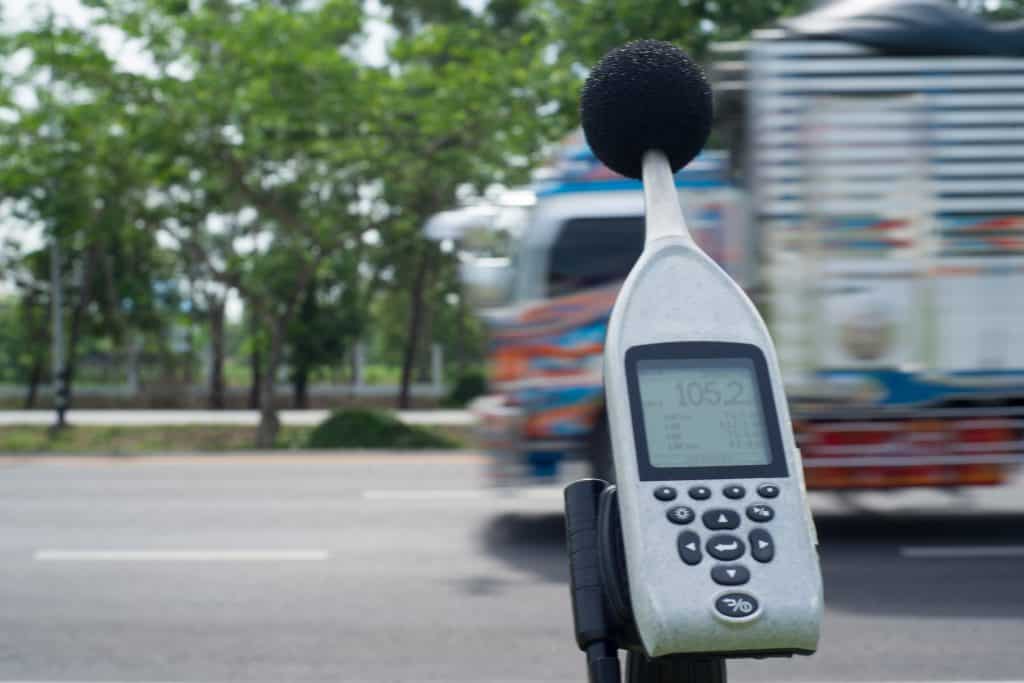
Noise is caused by vibrations in the air. This produces a sound pressure level, i.e. the strength of the sound, which is measured in decibels (dB). The louder the noise, the higher the decibel number and therefore the greater the potential strain on our ears. Frequency also plays a role. Sounds that are perceived as high have more vibrations per second. The frequency is measured in Hertz. While healthy hearing can detect anything between 16 and 20,000 hertz, decibel perception starts at zero. 120 decibels is considered the pain threshold. Exceeding it can have serious and lasting health consequences.
When and why does noise make you ill?
Noise has an impact on health if certain dB are repeatedly and/or permanently exceeded. If the pain threshold is exceeded, for example by a New Year’s Eve firecracker in the immediate vicinity, even a single incident can be enough to damage your hearing. It is also crucial that the hearing cannot be repaired. Whether due to a one-off incident or constant exposure to noise without hearing protection, noise makes you ill and can have negative health effects.
These include, for example:
Chronic sleep disorders
Stress and high blood pressure
Cardiovascular diseases
Hearing damage such as tinnitus
Diabetes 2
Headache
Digestive problems
Cognitive developmental damage in children
Noise and health: Why is noise protection so important?
Noise makes you ill. Even if we are not aware of it in many situations, the high noise levels to which we are frequently exposed are harmful to our hearing. And that’s not all: even short-term exposure to noise can temporarily reduce our performance. Exposure to noise over a longer period of time, on the other hand, can increase blood pressure and heart rate. Sleep disorders, headaches and stomach pains as well as changes in brain activity and increased release of stress hormones are also symptoms of the effects of noise. This is why noise protection is so important.
How we perceive a noise, i.e. whether it is only slightly unpleasant or far too loud, depends on both the person affected and the acute environment. Noise pollution in a library can easily be distinguished from noise sources in road traffic. To avoid illnesses caused by noise, it is important to pay attention to the dB. The World Health Organization (WHO) recommends that the continuous sound level in living rooms should not exceed 40 dB as a preventive noise protection measure. This roughly reflects the volume of a normal conversation. Any sound pressure level, such as very loud music in a nightclub or roaring road traffic, should only be tolerated for a short time.
The following table gives you an overview of when noise starts to make you ill:
Decibel
Description
Possible consequences of long-term exposure
from 40 dB
Quiet apartment noises
Possible learning and concentration problems
50 dB
Volume at room level
Conversation and TV or radio in the background
Restrictions on performance
55 dB
Rain showers
Increased risk of high blood pressure
from 60 dB
Lawn mower at a distance of 10 m
Possible hearing damage
from 65 dB
Main street during the day
Increased risk of cardiovascular disease
from 85 dB
required by law when working
Possible hearing damage with exposure of 40 hours per week
100 dB
Circulatory disorders
120 dB
Whistle at a distance of 1 m
Pain threshold
Individual cases can lead to permanent hearing damage
It is not always possible to combat the origin of noise. Various measures are therefore needed to limit the impact on people and their health.
Noise as a stress factor: noise reduction in your environment
It is often not a problem to minimize noise pollution at home. Only very few people voluntarily surround themselves with constant noise that is perceived as very unpleasant. But beyond that, it is usually difficult to protect oneself from noise. The health impact of traffic noise in particular, the largest source of noise, is enormous.
We at RAU® have made it our goal to achieve maximum noise protection with the best possible sustainability. We protect your health and make the cityscape more attractive with our green solutions. Our noise protection is designed to prevent or at least limit harmful environmental impacts caused by persistent or repetitive loud noises. We achieve this through noise barriers with a special construction method, noise-absorbing materials and environmentally friendly planting, which also offer added visual value.
Further measures can be as follows:
Erecting noise barriers or constructing earth dams along roads or railroad lines
Soundproof windows or sound-absorbing building materials
Noise reduction measures in vehicles
Improved tire technologies and so-called whisper asphalt against driving noise
Construction of quieter machines and appliances such as lawn mowers, washing machines, etc.
Does noise make you ill? Tips to protect your health
There are a number of things you can do to minimize the negative effects of noise on your health. We have summarized these tips against noise for you here:
Sound insulation in your home, for example with carpets and curtains
Avoid unnecessary noises such as TV in the background
Earplugs or noise-canceling headphones
Plan rest breaks and create a retreat
Background noises such as white noise as an antithesis to noise
At municipal level and beyond: passive noise abatement or active noise protection through noise barriers
Noise barrier from RAU® as the perfect solution for you
Noise barriers from RAU® are ecological, sustainable and low-maintenance. Their placement enhances the overall visual appearance of residential areas and provides a natural refuge for local fauna. More importantly, our noise barriers have also been proven to improve the quality of life of local residents. During construction, we adapt perfectly to the surroundings and take into account the road conditions and location in detail. We only use durable materials during construction and guarantee the highest quality in their selection. Regardless of whether you opt for a wooden noise barrier, a green noise barrier or a noise barrier with a photovoltaic system: RAU® is at your side with many years of experience and impressive expertise.