


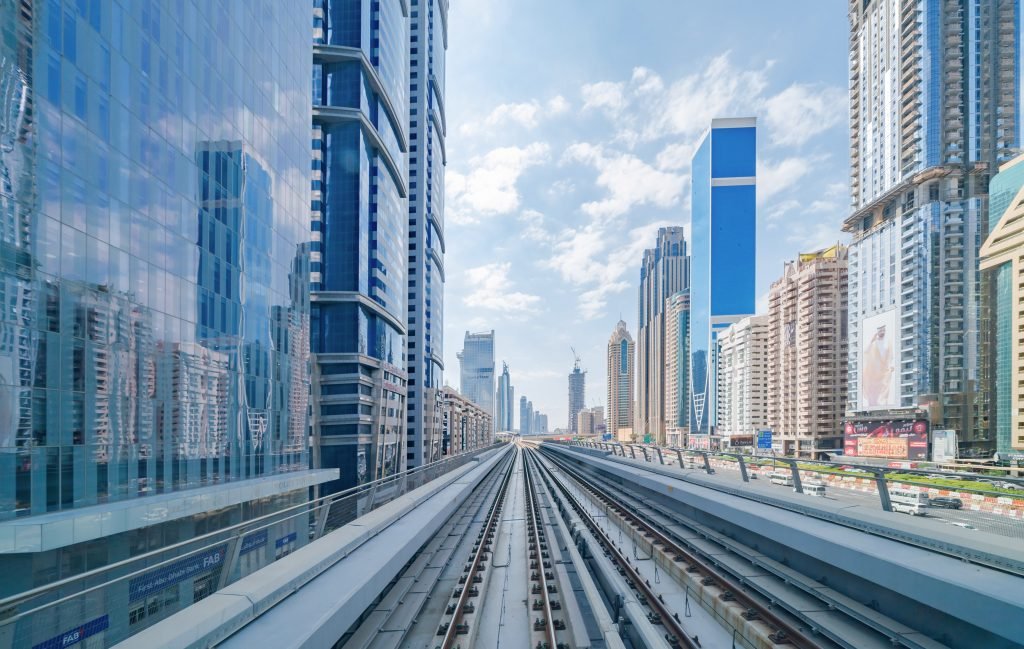
We are exposed to it in various ways every day: noise. It affects both our general well-being and our health. In most situations, it is almost impossible to avoid sources of noise. In residential areas, road and rail noise in particular cause a great deal of discomfort.
With busy city traffic and nearby highways as well as noise situations caused by express trains and freight traffic, effective noise protection measures are therefore required. In the following blog article, we have compiled the most important information on noise protection in road and rail traffic for you. We at RAU® have many years of experience and expertise in noise protection on roads and noise barriers for railroad lines. We shield you against noise.
How is road traffic noise generated? And how is it calculated?
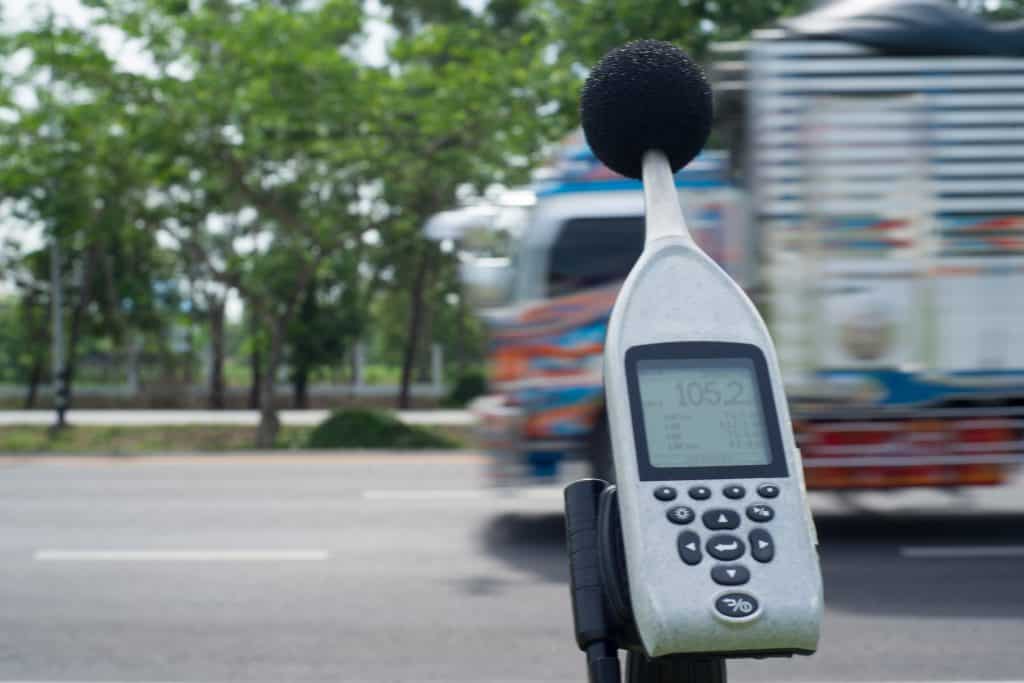
Disturbing road noise is caused by various factors. In addition to the nature of the road surface, the type of vehicle also plays a decisive role. Cars are known to be significantly quieter than trucks. Even the tires of individual cars can be sources of noise. We perceive the highway as particularly loud, as it is driven at high speed. The strong sound caused by vibrations then creates the noise that annoys us. Noise protection on roads can help here.
Noise barriers along the highway are an effective way of reducing noise. In road traffic, noise is calculated and not measured. This means that the findings are not just snapshots and are therefore more meaningful. Stations are set up at key locations for this purpose. You can use online calculators to find out more about the noise in your area.
Train noise: disturbance factor in residential areas
While the expanded rail network makes it possible to travel within Germany in an environmentally friendly and relaxed manner, the noise pollution caused by trains should not be underestimated. A short distance from the tracks can have a particularly negative impact on the quality of life of local residents. Noise in rail traffic is not only caused by the speed of the trains. The type of vehicles and tracks also play a decisive role. The distance from the tracks and therefore the source of the noise is also an important factor.
Today, measuring stations throughout Germany record more than two thirds of rail freight traffic. Noise protection for rail traffic includes both the renovation of tracks and trains as well as noise insulation using noise barriers on railroad lines.
Noise pollution from traffic: these limits exist
The right to noise protection and therefore also the guideline values for road traffic noise are regulated by law in Germany. So-called immission limit values have been set to reduce noise. This is intended to provide the best possible protection for people in the immediate vicinity of the noise situation. In this case, immission means the impact of noise on people, animals and plants, as well as buildings in the immediate vicinity.
In residential areas, the value of 59 decibels (dB for short) during the day and 49 decibels at night should not be exceeded. In village areas, 64 and 54 decibels apply respectively. At 50 kilometers per hour, a car already reaches a volume of around 70 decibels and a regional train approaching the station reaches almost 84 decibels. If you are exposed to these noise sources over a longer period of time, it becomes clear how important noise protection is on roads and railways. We at RAU® have made it our goal to support your health with our noise barriers.
Noise protection measures: the difference between noise remediation and noise prevention
There are various noise protection measures for both road and rail traffic. A general distinction is made between noise abatement and noise prevention. The latter ensures that noise pollution does not occur in the first place. This is ensured, for example, by complying with the immission limit values.
Noise remediation refers to noise protection in places that already cause or are exposed to high levels of noise. Passive noise abatement takes place in the immission area. This can include noise-reducing soundproof windows on all adjacent buildings. Active noise abatement, on the other hand, takes place directly at the source.

Road noise protection with RAU®
Noise protection on highways and roads can be achieved in various ways. In addition to improving vehicle technology and the carriageways themselves, speed limits are also a way of reducing noise. In many places, noise barriers along highways and main roads make a significant contribution to ensuring that people do not have to suffer from noise. Noise protection shields adjacent areas and noticeably increases the quality of life on site. At RAU®, we specialize in 100 percent ecological, climate-neutral and highly absorbent noise barriers. In this way, we not only protect people’s health, but also visually improve your residential areas with green noise barriers.
Noise barriers for railroad and rail traffic
In addition to passive noise abatement using soundproof windows, it is the active methods in particular that make the difference when it comes to rail noise protection. Operators of all types of rail traffic have identified the following noise protection measures:
Smooth rails and wheels
Reduced friction results in less sound and therefore less noise.
Whisper brakes
These ensure that noise sources are contained, especially at railroad stations.
Rail web damper
This prevents the rails from moving as much as possible to ensure low decibels.
Noise barriers and noise protection walls are also used for train noise. Noise barriers, like the ones we at RAU® build for you, make it possible for you to live in busy areas without restrictive noise pollution from traffic. Various materials such as wood, concrete and glass are used here. Ideally adapted to the surroundings, you will perceive sound insulation from RAU® as an enrichment, both acoustically and visually.
The right noise protection measures for you from RAU®
Noise barriers from RAU® offer the perfect noise protection along highways and against rail noise. You will find the right solution for every area in our range. We always keep an eye on the surroundings when building our noise barriers.
Regardless of whether you are interested in noise protection along roads or want shielding for train noise: RAU® has the perfect product for you. We only use sustainable materials for our walls and therefore act in a resource-conserving manner. Both your health and that of nature are very important to us. Say “no” to road and rail traffic noise and choose RAU® today. We will inspire you with our expertise.