


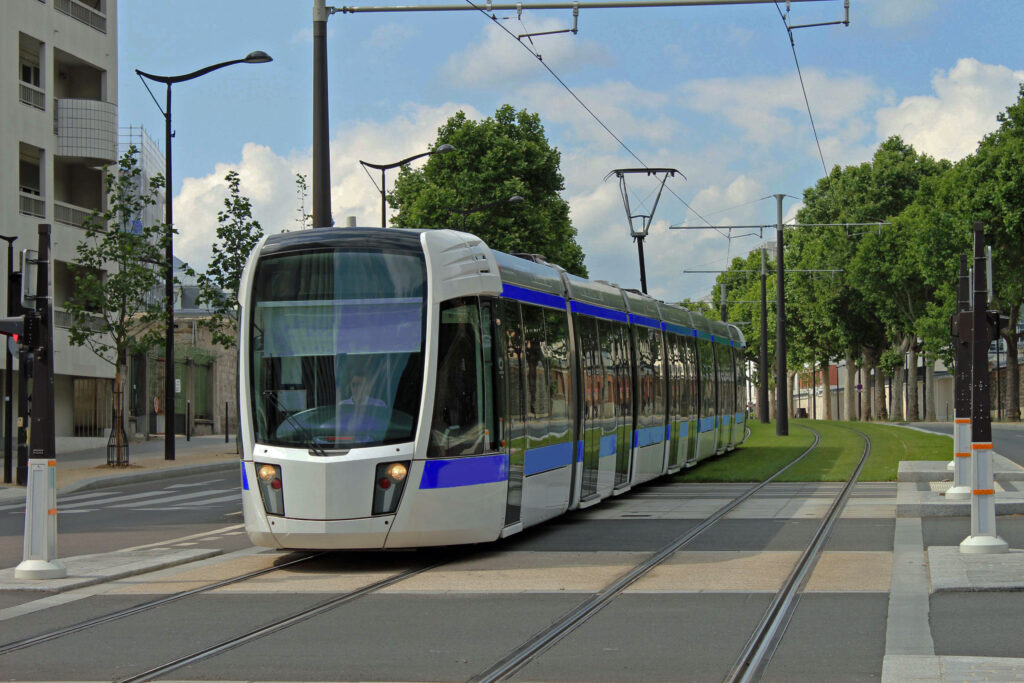
Particularly in conurbations, the growing volume of traffic and increasing demand for mobility is creating noise pollution. In addition to road traffic noise, streetcars and buses also generate high noise levels. Buses, for example, are one of the heaviest vehicle classes in inner city traffic alongside trucks and therefore also cause loud driving noises. The passing of a streetcar can also be perceived as disturbing, especially if it occurs regularly and several times a day. At the same time, as there is no evidence that people become accustomed to high noise levels in the long term, long-term noise protection is essential.
In the following blog article, we have compiled the most important information on noise protection and public transport for you. Find out here how RAU® makes the difference.
Rail traffic noise from streetcars and buses: What is meant?
In the area of local public transport, diesel-powered buses have been used predominantly to date, as they are considered to be particularly economical and reliable. This creates a considerable background noise when starting up, which not only waiting passengers but also local residents can find very disturbing. The rolling of the tires over a rough road surface and the drive noise of the motors and gearboxes also generate noise.
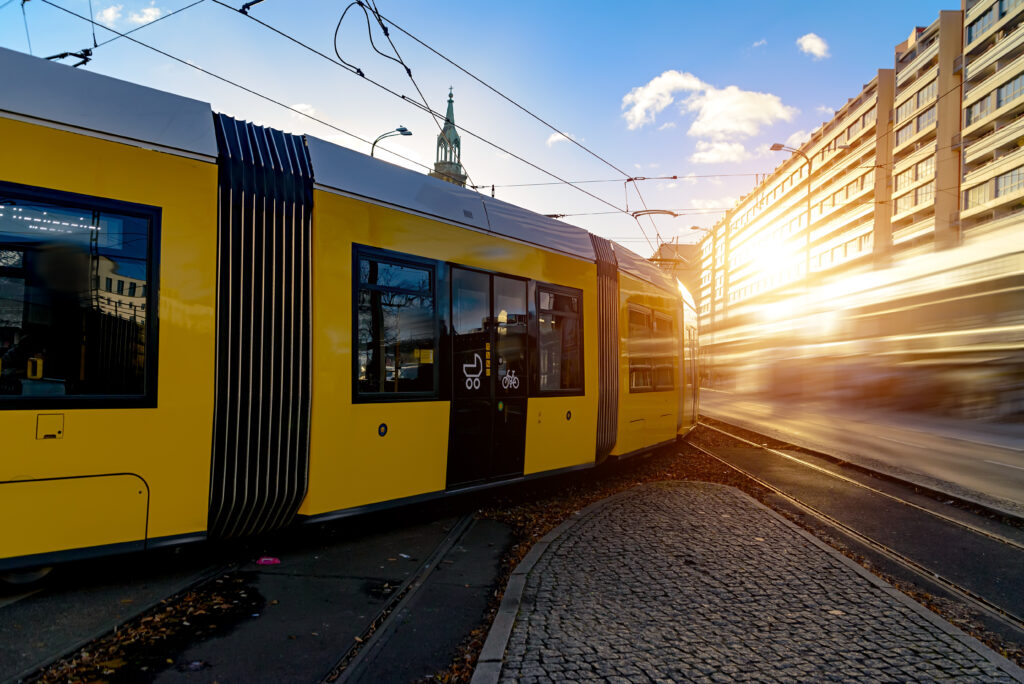
In comparison, streetcars are generally quieter as they run on rails and are electrically powered. Nevertheless, streetcars can also cause noise, for example through wheel-rail noise, i.e. the rolling and cornering noises of rail vehicles, door and brake noises and rail impacts. In both cases, however, noise pollution also depends on other variable factors such as speed, route and insulation of the surrounding area. In order to guarantee noise protection for local residents, it is therefore necessary to comply with the regulations of the Immission Control Act (BImSchV).
Immission limit values and the ordinance on the construction and operation of streetcars
In Germany, noise protection and the associated guide values for road traffic noise are enshrined in law. This means that public transportation by streetcar and bus is also bound by these limits. The so-called “Ordinance on the Construction and Operation of Trams (BOStrab)” is also relevant. This specifically stipulates for streetcars and their track construction that the “quietest possible running” must be guaranteed. There are also other guidelines that are relevant for public transport buses, for example. The emission limit value for tires, for example, is around three to four dB.
The following immission guide values apply to all noise immissions and must therefore not be exceeded in the long term:
Area type | Limit value in db(A)
Day
Night
Industrial area
70 dB
70 dB
Industrial estate
65 dB
50 dB
Urban areas
63 dB
45 dB
Core areas, village and mixed areas
60 dB
45 dB
General residential areas and small housing estates
55 dB
40 dB
Purely residential areas
50 dB
35 dB
Health resorts, hospitals and nursing homes
45 dB
35 dB
Why noise protection and public transport belong together
It is no secret that noise can have a negative impact on people’s health and general well-being. However, it is difficult to avoid sources of noise such as buses and streetcars, especially when living in the city. For this reason, noise protection is also very important in this area. Acoustic vehicle and route monitoring, for example, makes it possible to promptly detect and rectify increases in emissions caused by factors such as wear and tear. At the same time, this increases the acceptance of local residents towards public transport, which in turn benefits the cities and districts.
Noise protection in rail transport and on bus routes: noise barriers help
There are various ways to reduce noise from buses and streetcars. For example, there are measures at the source, i.e. the vehicles or carriages, such as the design and encapsulation of the combustion engine, the use of silencers or the use of electric drives, which are very effective. Ideally, noise emission reduction should also be taken into account when ordering and manufacturing vehicles, as retrofitting is often difficult or expensive. Although operational measures such as speed restrictions can help, they often require greater organizational effort on the part of municipalities and cities and can also make public transport less attractive.
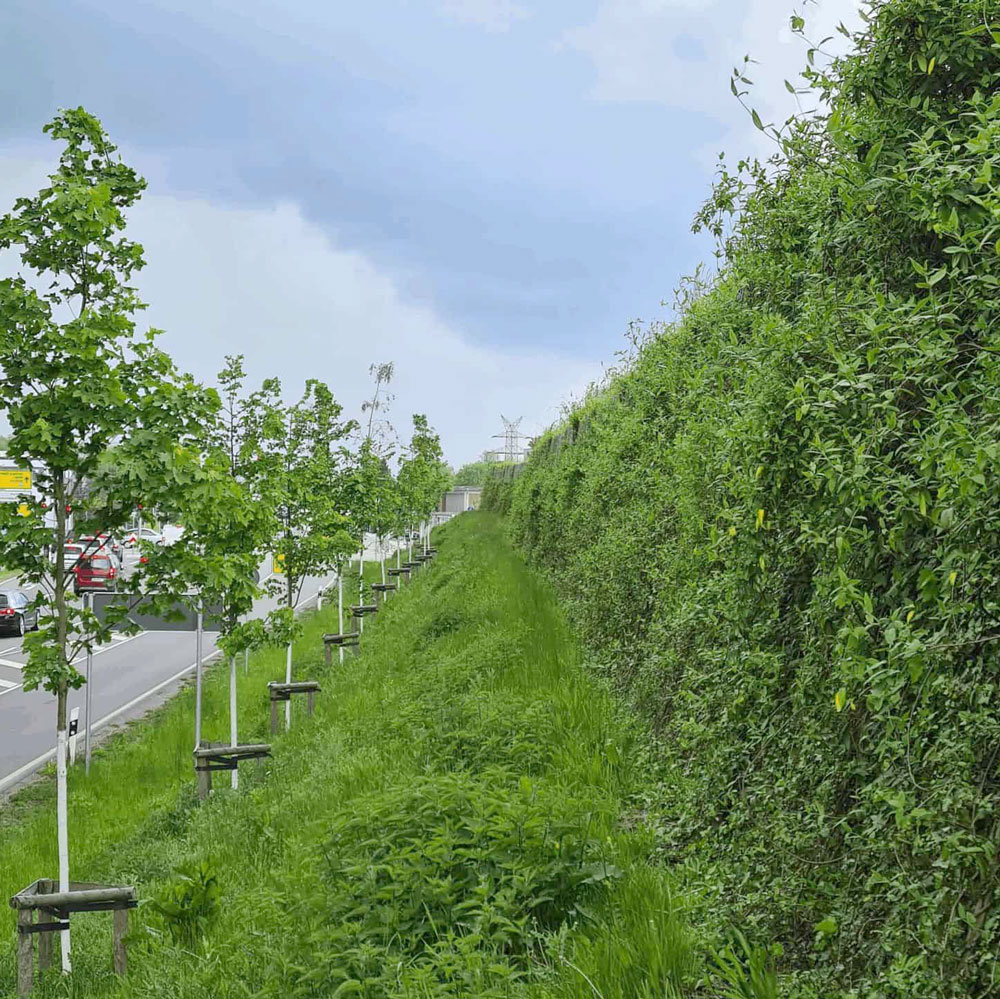
Noise barriers are also an option, even if they are only used sporadically in public transport by buses and streetcars, for example at bus stations or terminal stations with P+R connections. For example, the use of green sound insulation such as RAU® Climatewall can achieve a sound insulation value of 68 dB and sound absorption of 20 dB, while Canwool, a sound absorber made of hemp fiber, enables sound absorption of at least 10 dB and sound insulation of 28 dB. If your project requires temporary but flexible shielding, the RAU® Climatewall S rapid construction system is the ideal solution.
Ensuring noise protection for local public transport bus and rail services with RAU®
RAU® noise barriers stand out due to their ecological and sustainable properties as well as their easy maintenance. This means that not only residential areas benefit from attractive noise protection, but flora and fauna are also taken into account from the outset. Regardless of whether your project deals with noise from public transport or you are working on better shielding rail traffic from trains or aircraft noise: RAU® is the right choice for you, because our green noise protection effectively shields residents. As Germany’s leading noise barrier manufacturer, we use high-quality and sustainable materials without exception.